African Churches Commit to Fight Antimicrobial Resistance and Launch Key Faith-Based Health Tools
On 5th May 2026, faith leaders from across Africa made a historic commitment to address Antimicrobial Resistance (AMR), one of the most urgent and under-recognized global health threats at the moment. This was during a continental Faith leaders webinar on Health and Healing convened the Africa Christian Health Association Platform (ACHAP), Ecumenical Pharmaceutical Network (EPN) and ReACT Africa in collaboration with the All Africa Conference of Churches (AACC).
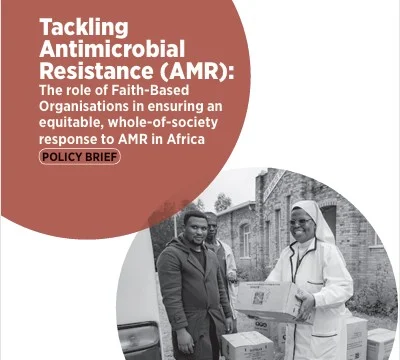
The webinar marked the official launch of two key resources for faith communities: the AMR Sermon Guide and an accompanying AMR Policy Brief, designed to strengthen the Church’s response to the growing threat of drug resistance in African communities. The tools aim to help faith leaders translate complex health information into practical, scripture-based messages that promote responsible antibiotic use, infection prevention, and community awareness.
The AMR Sermon Guide provides structured sermons and theological reflections linking Christian teaching to health stewardship, while the Policy Brief offers evidence-based direction for church-led health programming and advocacy. Both resources are available for wider use across denominations.
In his keynote address, the AACC General Secretary stressed the urgency of faith-based action against AMR, noting that churches remain among the most trusted platforms for community engagement. “We must swing into action to promote responsible use of antibiotics and challenge harmful practices that fuel resistance,” he said.
He officially endorsed the tools on behalf of AACC and urged churches to integrate them into sermons, Bible studies, youth ministries, and community outreach programmes. Participants concluded the webinar with commitments to strengthen AMR awareness and integrate at least one AMR-focused teaching within the coming year.
The initiative positions African faith communities as critical partners in addressing one of the continent’s most pressing public health threats.