Young Faith Leaders Trained to Promote SRHR and Sustainable Population Growth for Quality Life in Mozambique
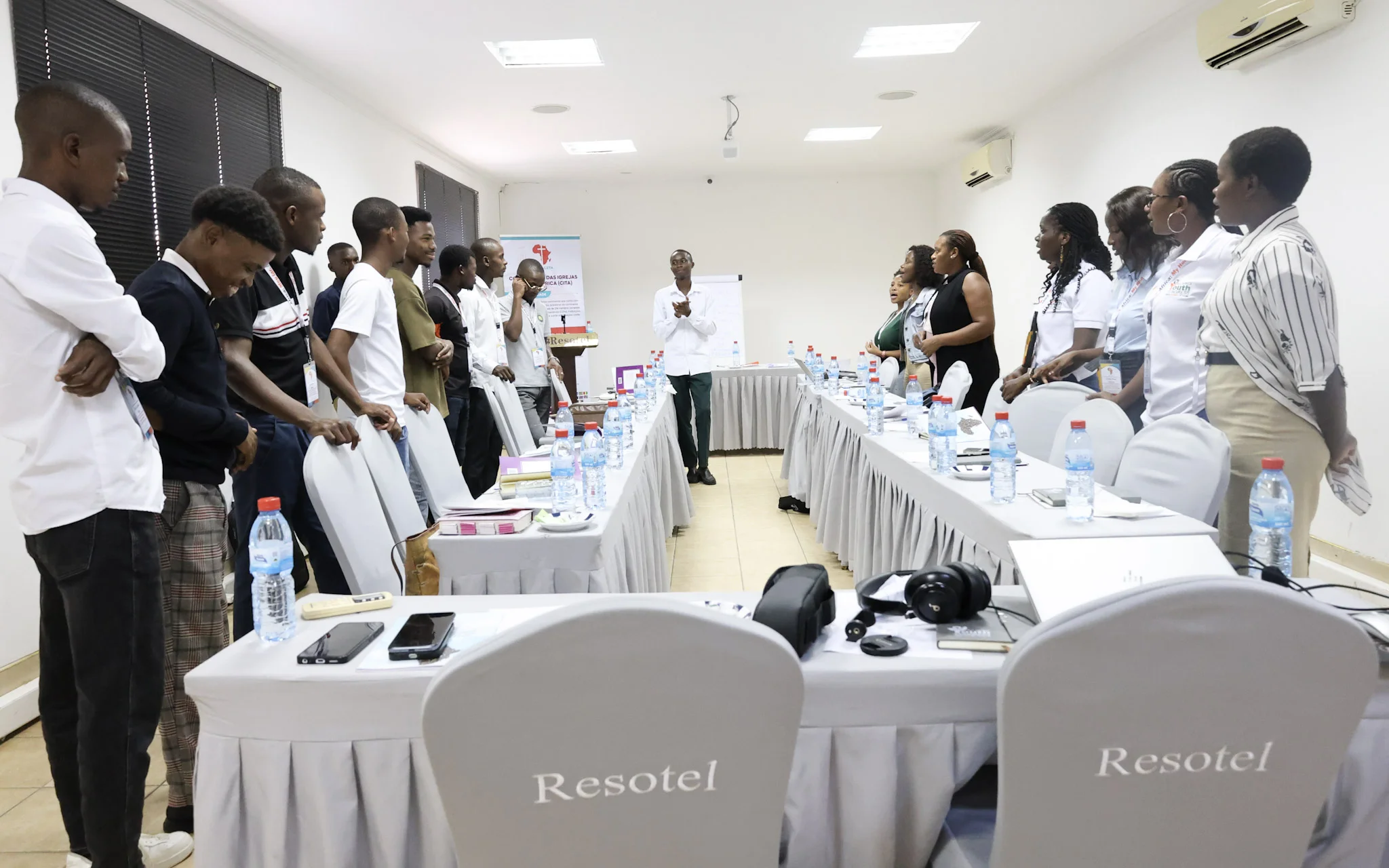
From 26 to 29 March 2026, Maputo hosted the All Africa Conference of Churches (AACC) in-country Training of Trainers on the use of Contextual Bible Studies (CBS) manuals on Sexual and Reproductive Health and Rights (SRHR) and Sustainable Population Growth (SPG). The training, implemented within the framework of the Africa: My Home. My Future. campaign, equipped twenty young faith leaders from AACC member churches and other Christian organizations across Mozambique with faith-based tools and practical skills to address critical issues affecting their communities, including early pregnancies, HIV and sexually transmitted infections, and limited access to essential health services necessary for holistic wellbeing and sustainable development.
In his opening remarks, AACC's Executive Secretary, Youth, Brian Muyunga encouraged participants to embrace the training as an opportunity to expand their knowledge, skills, and resources as young leaders expected to drive transformation. He noted that initiatives such as this reflect the vision of Africa: My Home. My Future. Campaign empowering young people to take ownership of the continent’s future by promoting responsible choices, healthy families, and sustainable communities.
Rev Armindo Folichane Cumbe called on churches to strengthen their role in guiding young people in navigating SRHR and population-related challenges. He cautioned against misleading theologies that discourage informed decision-making on relationships and family planning, and emphasized the need for churches to provide accurate, contextual, and empowering teachings that uphold human dignity.
Participants engaged in dynamic sessions combining Bible study, role play, and open dialogue. Using the Young People’s Resource Packs on Faith, Love and Life and Faith, Fertility and the Future, facilitators: Nataniel Mandlhate and Albertina Quive demonstrated how scripture can be used to facilitate honest discussions on SRHR and population growth, promote learning, and inspire transformative christian mission in communities.
Reflecting on her experience, Yolanda Cossa shared that the training strengthened her confidence and equipped her with practical skills to address SRHR and SPG issues within her community, particularly menstrual hygiene and teenage pregnancies.
The training concluded on Palm Sunday with an ecumenical worship service, after which participants developed and shared action plans outlining the SRHR issues they will address and strategies to promote sustainable population growth.
“We are going back with a commitment to work together to promote holistic health and wellbeing of people in our communities and to pursue a more sustainable future for Mozambique and Africa at large.” Expressed Agostinho Cossa, one of the participants.
In the photo: Participants engaged in a group assignment during the second day of the training [Courtesy: Brian Muyunga]